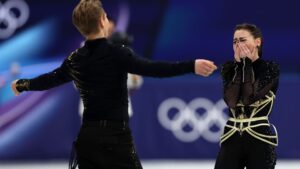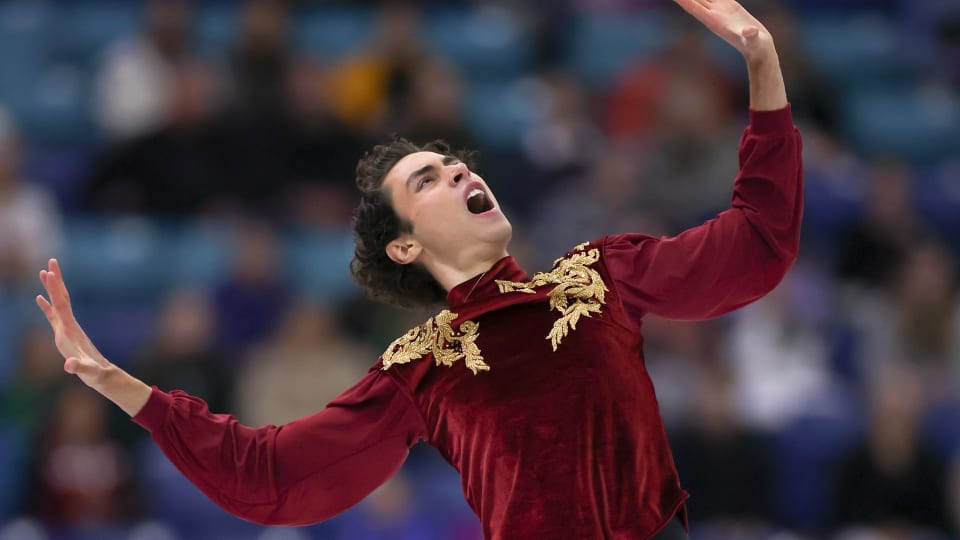
As we gear up for the Olympic Winter Games Milano Cortina 2026, the figure skating competition emerges not merely as a showcase of athleticism but as a vibrant tapestry of Italian history and cultural legacy. Set against the backdrop of Il Bel Paese, skaters use their performances to honor Italy’s rich art and history, offering fans a brief but dazzling escape from the regular sporting events.
Skaters like reigning world champions Miura Riku and Kihara Ryuichi invoke the valor of ancient Roman gladiators with music from the “Gladiator” films. Live performers will indeed channel that fighting spirit as they glide at the Milano Ice Skating Arena. Shifts in thematic elegance will also mark extraordinary performances from pairs such as Milla Ruud Reitan and Nikolaj Majorov, who dance to the romantic melodies of “Romeo and Juliet,” illuminating a universal narrative that endures through the ages.
The Renaissance echoes through the program of Adam Siao Him Fa, who uses choreography inspired by Michelangelo, making viewers swoon over his grace and connection to art. Meanwhile, Nikolaj Memola pursues the dramatic arc found in Puccini’s “Tosca,” portraying heavy emotional terrain on ice.
Noteworthy entries include Kagiyama Yuma, who recently performed a newly composed ending of Puccini’s “Turandot,” a testament to Italy’s operatic reputation still stirring discussions today. And as the golden age of Italian cinema is evoked through Isabeau Levito’s homage to Sophia Loren, it is clear that the world of ice dancing beautifully intersects with iconic film history.
Yet, it doesn’t stop here: the emotional depth continues manifesting in unique ways. Sakamoto Kaori‘s farewell piece, set to Andrea Bocelli‘s “Time to Say Goodbye,” captures an essence of nostalgia mixed with hope. Likewise, Cha Junhwan elevates Ezio Bosso’s melancholic “Rain, in Your Black Eyes” into an ethereal skating experience.
As competing skaters reveal rich segments of Italian lore through music and stories, the 2026 Olympic Winter Games promises a captivating display of both sport and culture, encouraging the international audience to connect with Italy’s continuing narrative, from ancient ages to modern times.